01
Infrastructure Control
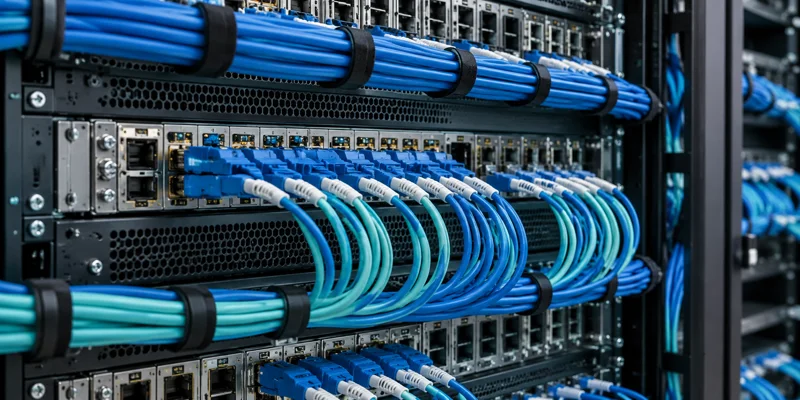
Organizations may require greater control over how workloads and supporting infrastructure are managed.

Our Trusted Partners in Delivering Quality and Excellence








Business-critical applications require infrastructure that is structured around operational, security, performance and availability requirements. Private cloud and managed infrastructure can provide organizations with greater control over how applications, data and supporting services are hosted and managed.
Dedicated or controlled environments designed around defined workload and infrastructure requirements.
Ongoing monitoring, maintenance and operational support for infrastructure environments.
Defined service expectations, monitoring and reporting around agreed operational requirements.
Enterprise applications and data environments often have requirements that extend beyond basic hosting. Infrastructure teams need visibility into performance, security, availability, backup, recovery and service operations.
Organizations may require greater control over how workloads and supporting infrastructure are managed.
Business applications need infrastructure designed around defined availability requirements.
Infrastructure performance needs continuous visibility and monitoring.
Backup and recovery processes need to align with business requirements.
Access, network and infrastructure controls need to be defined and managed appropriately.
Enterprise environments require structured monitoring, maintenance and incident processes.
SmartGen can structure private cloud and managed infrastructure environments around application requirements, infrastructure needs, operational processes and defined service expectations.
Capabilities that can be designed around workload, infrastructure, backup, recovery, security, operations and service-level requirements.
Provide controlled infrastructure environments for enterprise workloads.
Host business-critical applications within defined infrastructure environments.
Monitor infrastructure health, performance and service conditions.
Support defined backup processes for applications and data.
Design recovery processes around defined business continuity requirements.
Implement appropriate access, network and infrastructure controls based on requirements.
Provide ongoing infrastructure monitoring, maintenance and operational support.
Monitor service performance against agreed service-level requirements.
A layered architecture connecting business applications through the private cloud platform, security controls, data protection and managed operations.
Different workloads may require different infrastructure configurations. SmartGen can structure hosting environments around application architecture, workload characteristics, data requirements and operational needs.
Host business applications in defined enterprise environments.
Support database infrastructure according to application and workload requirements.
Provide controlled environments for relevant business data workloads.
Support the infrastructure required for application and system integrations.
Continuous infrastructure visibility helps operations teams understand system health, performance conditions and service events.
Illustrative infrastructure monitoring interface
Business continuity depends on appropriate backup and recovery processes. SmartGen can help define infrastructure and operational processes around an organization's data protection and recovery requirements.
Define backup requirements around applications and data.
Monitor relevant backup activities and status.
Define recovery processes around business requirements.
Support planned validation of recovery procedures where required.
A defined recovery environment can help organizations prepare for infrastructure failures, application disruptions and other operational events.
Recovery architecture should be based on business priorities, data requirements and agreed recovery objectives.
Define recovery requirements for critical workloads.
Prepare infrastructure for relevant recovery scenarios.
Validate recovery processes periodically based on organizational requirements.
Private cloud environments can provide greater control over infrastructure access and operational boundaries. Security controls should be designed according to the organization's architecture, risk profile and applicable requirements.
Control access to infrastructure and applications based on defined permissions.
Structure network access around application and infrastructure requirements.
Separate relevant workloads and environments where required.
Maintain visibility into relevant infrastructure and operational events.
Apply defined controls around data storage, backup and recovery.
Use structured procedures for maintenance, changes and infrastructure operations.
Enterprise infrastructure requires clear expectations around service availability, monitoring, incident handling and operational responsibilities. Managed SLAs can define how infrastructure services are monitored and supported.
| Service | Status | Monitoring | Incident Process | Escalation | Reporting |
|---|---|---|---|---|---|
| Infrastructure Monitoring | Active | Continuous | Defined | Defined | Scheduled |
| Application Environment | Active | Continuous | Defined | Defined | Scheduled |
| Backup Operations | Active | Continuous | Defined | Defined | Scheduled |
| Recovery Environment | Standby | Continuous | Defined | Defined | Scheduled |
| Security Monitoring | Active | Continuous | Defined | Defined | Scheduled |
| Change Management | On Request | Scheduled | Defined | Defined | Scheduled |
Illustrative service management interface
Define the services included within the managed environment.
Monitor agreed service indicators and operational conditions.
Define processes for identifying, responding to and escalating incidents.
Provide structured reporting around service performance and operational activities.
Structured operational activities covering monitoring, maintenance, incidents, changes, capacity review and reporting.
Monitor infrastructure and application conditions.
Perform planned maintenance activities based on defined requirements.
Support incident identification, response and escalation.
Manage infrastructure changes through defined processes.
Review infrastructure requirements as workloads change.
Provide structured visibility into service operations.
A structured six-stage flow covering assessment, design, deployment, monitoring, management and reporting.
Private cloud environments often need to support applications and systems across the wider organization. The infrastructure architecture should consider how applications, data, integrations and reporting environments interact.
Structured environments supporting development, testing, deployment, production and ongoing maintenance requirements.
Provide appropriate environments for application development activities.
Support controlled testing environments.
Prepare applications for production deployment.
Host and monitor business-critical applications.
Support ongoing operational and infrastructure requirements.
Enterprise applications depend on reliable data environments. Private cloud infrastructure can provide a controlled environment for relevant data workloads, processing and connected applications.
Support defined storage requirements.
Provide infrastructure for relevant processing workloads.
Support backup and recovery requirements.
Control access according to defined permissions and organizational policies.
An illustrative enterprise view covering environment, applications, backup, security, incidents, maintenance and service-level status.
Illustrative enterprise infrastructure interface
Applications across insurance, Takaful, financial, data, private, recovery, managed and SLA-based environments.
Support infrastructure for business-critical insurance applications.
Support controlled infrastructure for Takaful applications and workloads.
Provide infrastructure for relevant financial applications.
Support controlled environments for business data.
Provide dedicated or controlled environments for specialized applications.
Support defined recovery infrastructure requirements.
Provide ongoing infrastructure monitoring and operational support.
Manage service operations around agreed service-level requirements.
Supporting technology leaders, operations, application, data, security and business operations teams.
Support enterprise infrastructure and technology requirements.
Support infrastructure monitoring and operational processes.
Provide infrastructure environments for business applications.
Support infrastructure requirements for data workloads.
Support defined infrastructure security and access requirements.
Provide infrastructure support for business-critical systems.
A focused technology partner for enterprises requiring controlled infrastructure and managed operations.
Technology environments designed around defined enterprise requirements.
Ongoing monitoring and operational support based on the agreed service model.
Private or dedicated infrastructure models where appropriate.
Consider application requirements alongside infrastructure architecture.
Consider access, network, monitoring and data protection requirements.
Use defined service expectations, monitoring and reporting.
Four structured stages covering assessment, architecture, deployment and ongoing management.
Understand workloads, applications, infrastructure and service requirements.
Design the environment around security, performance, availability and operational requirements.
Prepare infrastructure, applications and supporting services.
Monitor and manage the environment according to the agreed operating model.
Managed services can include monitoring, incident response, maintenance, backup, security and structured service reporting. Exact scope depends on the engagement.
Ongoing visibility into infrastructure conditions.
Defined processes for handling infrastructure incidents.
Planned maintenance and infrastructure updates.
Monitoring of defined backup activities.
Visibility into relevant infrastructure security events.
Structured reporting around agreed service indicators.
 Insurance technology, built around you

Structured data.
Clear reporting.
Share your requirements. We shape the right solution around your environment and reply within 24 hours.
05+ years of expertise · IFRS 17 and insurance technology
Prefer to talk? +971 4 577 8068 info@smartgen.ae